
Dan Wood, CCO of ASMO
In an interconnected world where we are exposed to single-source manufacturing and supply chains, it is imperative to also focus on supply chain diversification alongside manufacturing.
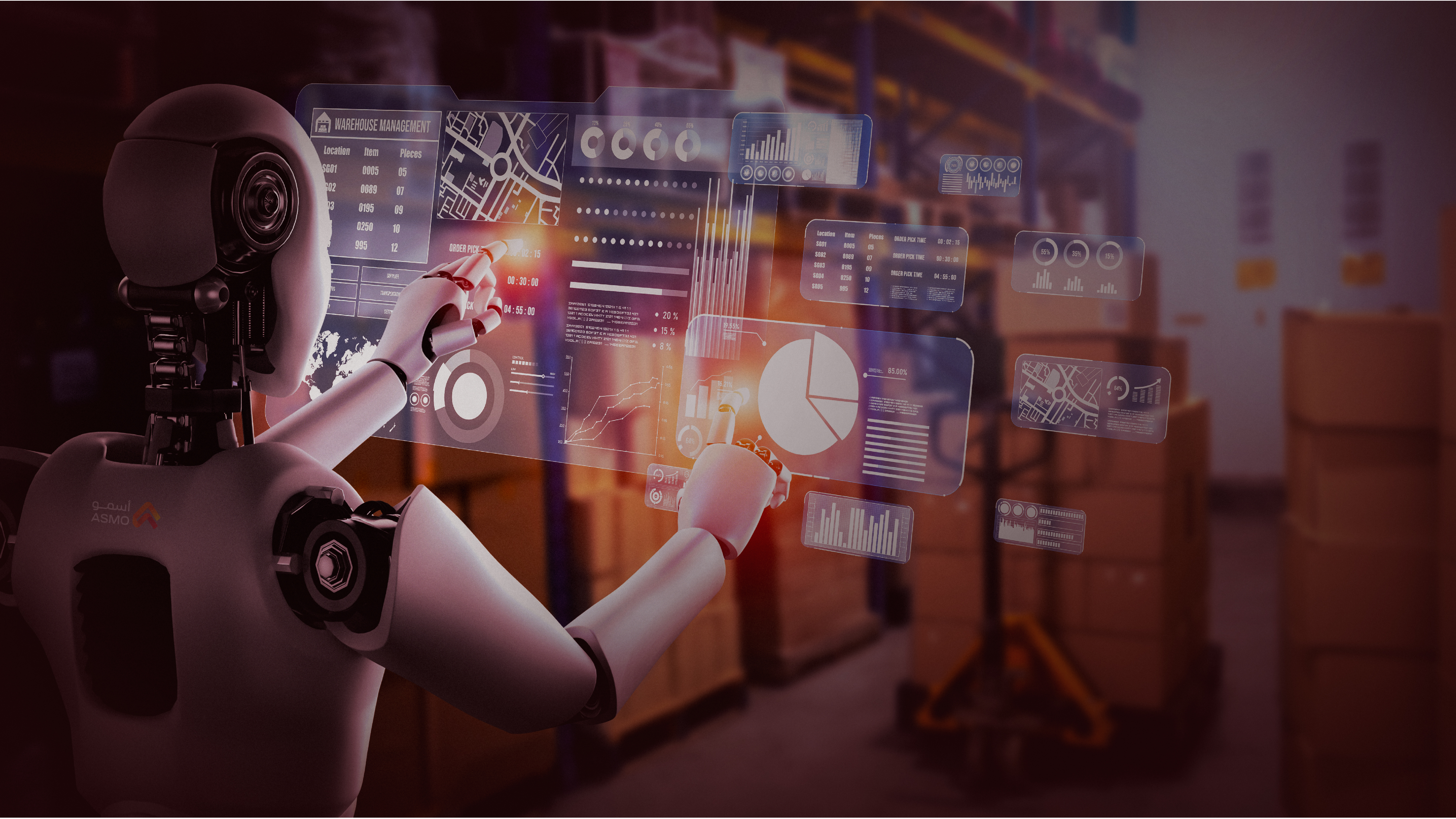
Moving from a single manufacturing hub to multiple locations sounds easy but whether is it practical, and with tangible enough benefits in the long run, is the biggest question facing companies. Apple, Intel, Nike, can all make rapid decisions to diversify their manufacturing base due to their size of business and demand for their products, unlike niche market players like Rolls Royce and Louis Vuitton.
Decentralizing manufacturing hubs means multiple supply points across geographic locations, and sizable conglomerates are realizing the potential of emerging markets and their role in fulfilling them. Think of your house keys, we tend to have more than one copy so we don’t get locked out and we can access our homes easily. Similarly, to avoid the supply slump and being locked out of markets, many companies consider diversifying, so they don't hinder consumers' access to their products, which could result in losses or at least lost opportunities. The dependency on single-location manufacturing hubs i.e. solely in Chinese territory, severely impacted global businesses and the economy during the pandemic. The likes of Apple, Tesla, and Sephora, among others, heavily relied on China, the largest emerging market, and based on the experiences they faced of supply chain disruptions during the pandemic, many of them have now expanded their manufacturing facilities beyond China to the likes of Vietnam, India, Malaysia, and Indonesia. Emerson, Pirelli, Schneider Electric, and Hyundai are among some of the biggest companies that have committed millions of dollars to set up their manufacturing plants in Saudi Arabia.
Given the current geopolitical developments, it is imperative to also focus on supply chain diversification alongside manufacturing. Omni-shored supply networks, multi-sourcing, parallel transportation modes, and harmonized logistics operations are crucial for manufacturing companies to strategize as a part of a smooth business continuity plan. We live in an interconnected world where we are exposed to single-source manufacturing and supply chains. In today’s volatile market, companies should secure reliable access to production materials, and establishing multiple access points to delivery is crucial for building resilient and robust supply chains.
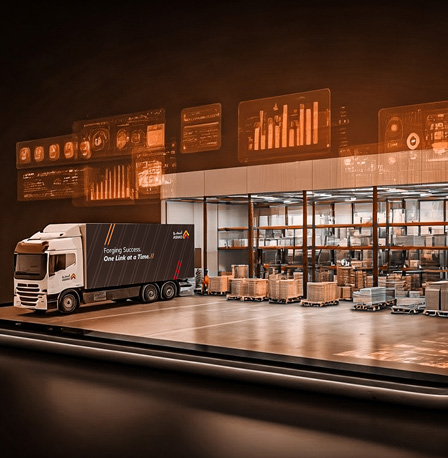

So, what does it take for a business to diversify its manufacturing hub?
First is of course the investment, followed by location, regulation, export/import feasibility, and many other things they would circle around and evaluate before making this decision.
China and India are the top countries that we come across when we think about manufacturing hubs. However, a lot of efforts have been undertaken by other emerging markets to attract businesses and investors in recent years, especially in the aftermath of the pandemic. Extending competitive advantages such as robust government regulation and cost-effective solutions, positioning themselves as the preferred manufacturing hubs with the expected financial incentives, special economic zones, investments in advanced technologies, skilled and flexible workforces, favorable economic climates and perhaps most importantly forward thinking by the country’s leadership has been a game changer for attracting foreign direct investments into the country.
Notably, the Kingdom of Saudi Arabia’s extraordinary pace of acceleration in economic diversification has impressed many over the last two years. According to the Global Economic Diversification Index (EDI) announced at the World Government Summit this year, the Kingdom’s EDI score jumped to 90.5 in 2022, compared to 82.8 in 2020, the fastest growth amongst GCC countries .
So, what is happening in KSA?
In line with the objectives of Saudi Vision 2030, the country’s National Industry Strategy aims to increase development in the industrial sector to around 36,000 factories by 2035, targeting more than 800 investment opportunities worth one trillion Saudi riyals. All these efforts are in order to enable the Kingdom to secure global supply chains and export high-tech products to the world . KSA is poised to surpass other major economies like India and China. The Kingdom excels in location and accessibility with robust sea and air routes, whilst also actively diversifying and attracting global talent, and at the same time has implemented initiatives and programs aimed at enhancing the capabilities of their citizens. These priorities are not only strengthening domestic job markets but also helping position themselves as attractive business destinations for industries seeking a skilled and knowledgeable workforce.
The question of whether diversifying manufacturing in emerging markets like KSA can be a game-changer is a compelling one. While diversifying manufacturing hubs requires significant investment and planning, the benefits of a resilient and geographically spread supply chain outweigh the challenges. The efforts of emerging markets like Saudi Arabia, with its strategic locations, skilled workforce, and government incentives, position the country as a strong contender in shaping the future of global manufacturing, fostering economic growth, and ensuring supply chain resilience.
![ASMO CEO 1500 X 544[1]](/media/twvfw4vl/asmo_ceo_1500-x-544-1.jpg)
Dan Wood, CCO of ASMO
The interdependence of the global end-to-end supply chain elements, from raw materials to consumer's hands, reinforces the very foundation of our interconnected world.
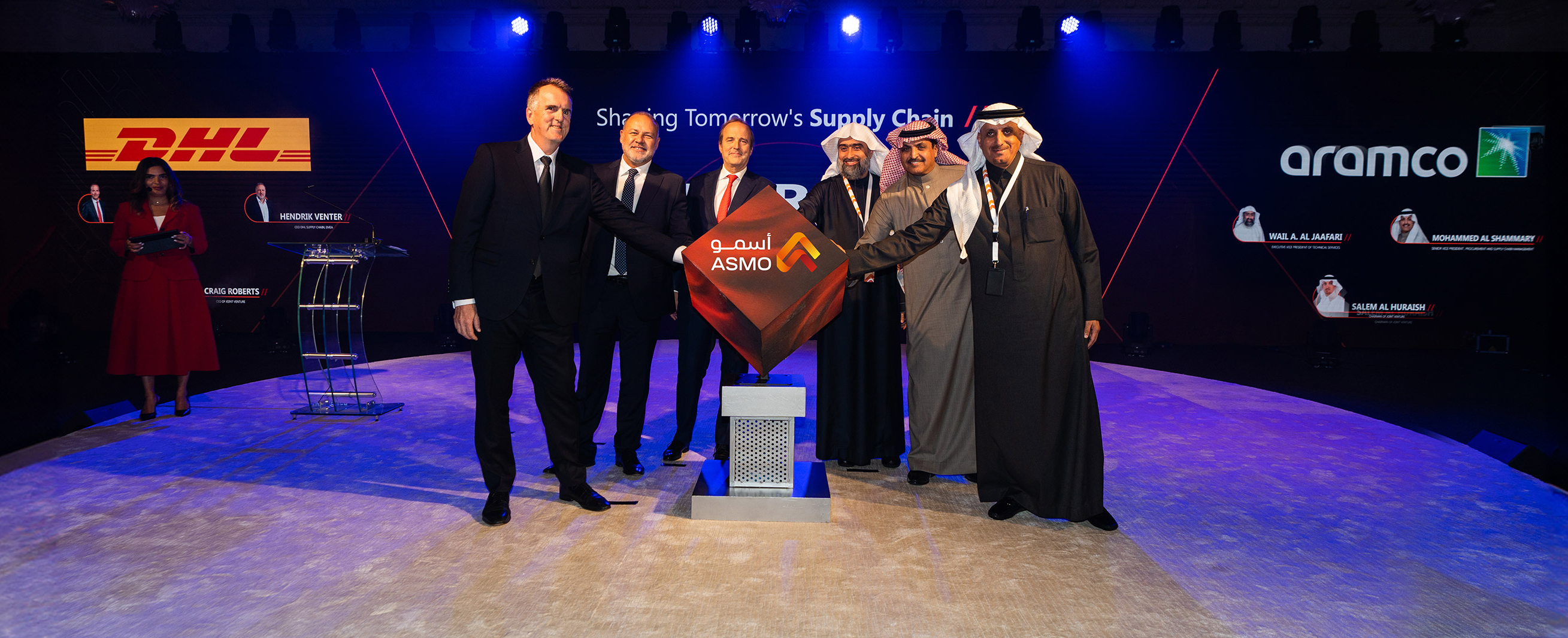
05 FEB 2024
New entity ASMO will drive supply chain efficiencies of procurement and logistics in the energy, chemical and industrial sectors.
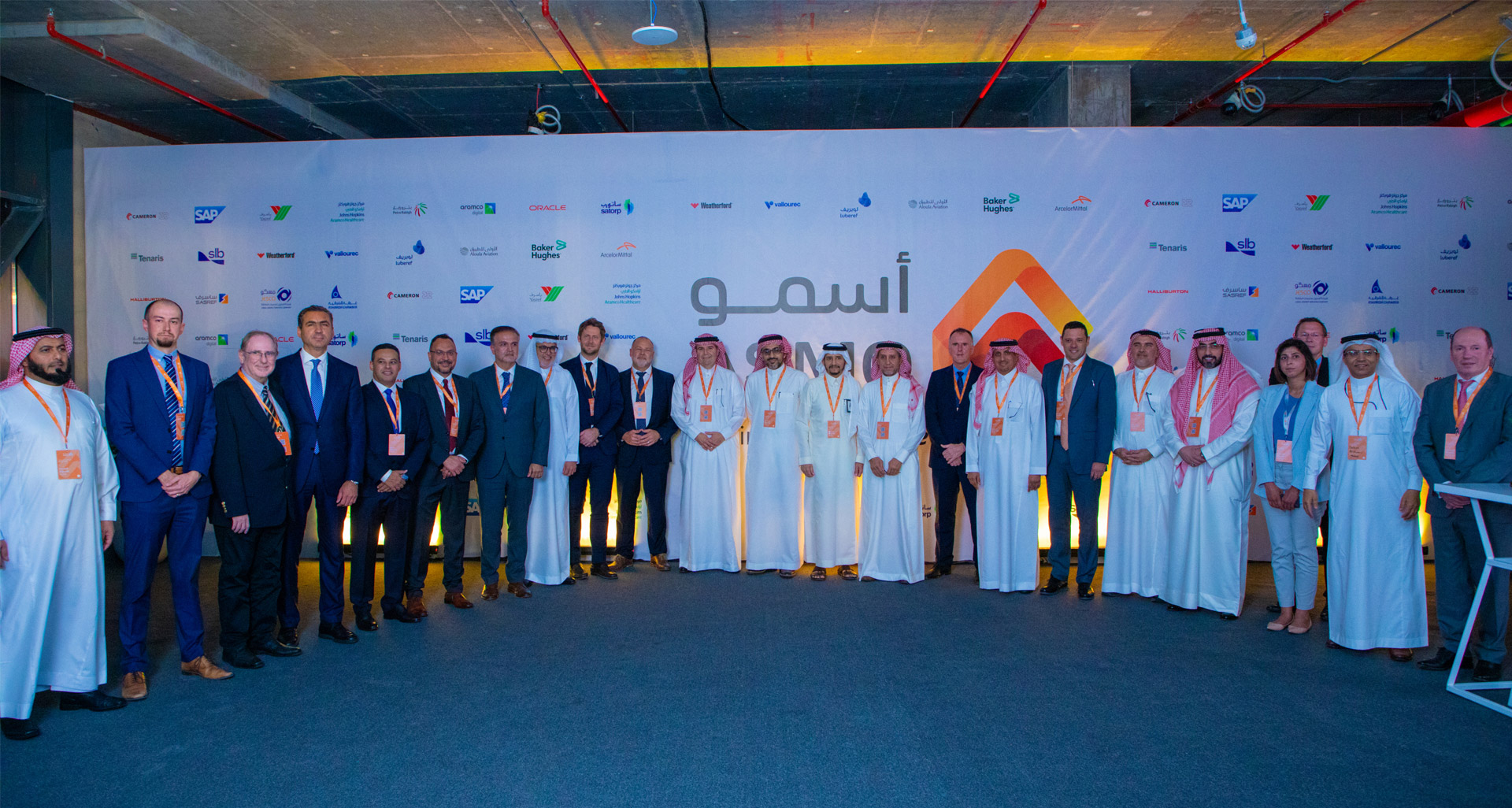
14 OCT 2024
16 MoUs with leading companies to expand collaborations in the energy, chemicals, refining, industrial, healthcare, and aviation sectors.
